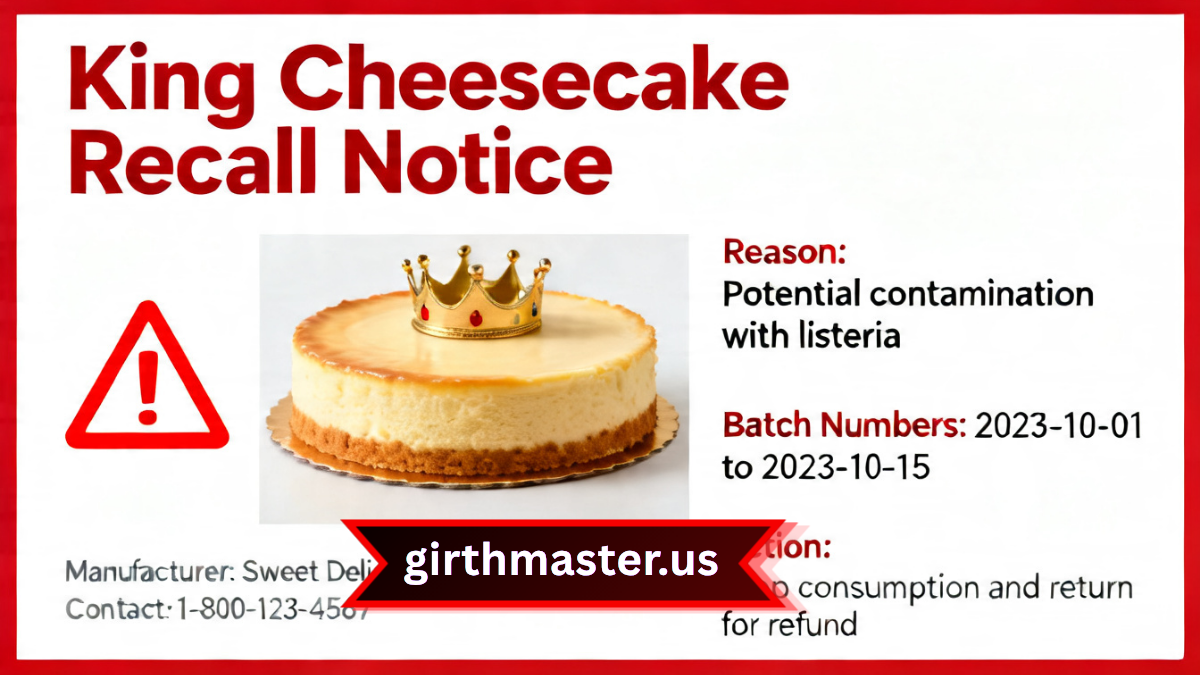
King cheesecake recall has become an important topic for consumers concerned about food safety and product quality. Recalls like this are issued to protect public health when a product may pose risks due to contamination, mislabeling, or manufacturing issues. Understanding why a cheesecake recall happens and how it affects you can help you make safer purchasing decisions. This article explains the details behind the King cheesecake recall, what led to it, and the steps consumers should take.
Table of Contents
ToggleWhat Is the King Cheesecake Recall?
The King cheesecake recall refers to a safety action taken by manufacturers or regulatory authorities to remove specific cheesecake products from the market. This typically happens when a potential health risk is identified in a batch or line of products. The recall aims to prevent consumers from consuming items that may be unsafe or incorrectly labeled.
Food recalls are not uncommon in the dairy and dessert industry because products like cheesecake contain perishable ingredients. These include cream cheese, eggs, and milk, which require strict handling and storage conditions. If any part of the production process fails to meet safety standards, a recall becomes necessary to protect public health.
Why Was the King Cheesecake Recalled?
The primary reason behind the King cheesecake recall is usually linked to contamination or labeling issues. Contamination may involve harmful bacteria such as Salmonella or Listeria, which can develop if hygiene protocols are not properly followed. Even minor lapses in food safety can lead to serious health concerns.
Another common reason is undeclared allergens. Cheesecakes often contain ingredients like nuts, gluten, or dairy, which can trigger allergic reactions in sensitive individuals. If these allergens are not clearly listed on the packaging, the product may be recalled to prevent harm. Accurate labeling is critical for consumer safety and regulatory compliance.
Health Risks Associated With Recalled Cheesecake
Consuming a recalled cheesecake can pose several health risks, depending on the reason for the recall. If bacterial contamination is involved, symptoms may include nausea, vomiting, diarrhea, and fever. In severe cases, vulnerable groups such as children, elderly individuals, and pregnant women may experience more serious complications.
Allergen-related recalls can be equally dangerous. People with food allergies rely heavily on labels to avoid harmful ingredients. Even a small amount of an undeclared allergen can trigger reactions ranging from mild discomfort to life-threatening conditions. This is why immediate action is taken when such risks are identified.
How Food Recalls Are Issued
Food recalls like the King cheesecake recall follow a structured process involving manufacturers and regulatory bodies. Once a problem is detected, the company conducts an internal investigation to confirm the issue. If a risk is identified, authorities are notified, and a recall is officially announced.
The recall notice usually includes details such as product name, batch numbers, expiration dates, and distribution areas. This information helps consumers identify whether they have purchased the affected product. Transparency in communication ensures that people can act quickly and avoid potential health risks.
Identifying Affected Products
To determine whether you have purchased a recalled King cheesecake, it is important to carefully check product packaging. Look for specific identifiers such as batch codes, production dates, and packaging details mentioned in the recall notice. These details are crucial for accurate identification.
Retailers often remove recalled products from shelves, but some items may already be in consumers’ homes. Keeping receipts and packaging can help verify whether your purchase is part of the recall. If you are unsure, contacting the manufacturer or retailer directly is a reliable way to confirm.
What Consumers Should Do Next
If you have a product included in the King cheesecake recall, do not consume it. Instead, follow the instructions provided in the recall notice. Most companies offer refunds or replacements for recalled items, making it easy for consumers to resolve the issue safely.
Proper disposal is also important. If the product is contaminated, it should be discarded in a way that prevents accidental consumption by others. Washing hands and cleaning surfaces that came into contact with the cheesecake can further reduce any potential risk.
Impact on the Brand and Industry
A recall can have a significant impact on a brand’s reputation and customer trust. The King cheesecake recall may lead to temporary declines in sales as consumers become more cautious. However, how the company responds plays a major role in shaping public perception.
Transparent communication, quick action, and corrective measures can help rebuild trust. In the broader food industry, recalls serve as reminders of the importance of strict quality control. They encourage companies to improve safety practices and maintain high standards in production.
Preventing Future Cheesecake Recalls
Preventing incidents like the King cheesecake recall requires strict adherence to food safety protocols. This includes proper handling of ingredients, maintaining clean production environments, and conducting regular quality checks. Advanced testing methods can also detect contamination early.
Employee training is another critical factor. Workers involved in food production must understand hygiene practices and safety guidelines. Consistent monitoring and compliance with regulations help reduce the risk of errors that could lead to recalls.
Consumer Awareness and Food Safety
The King cheesecake recall highlights the importance of consumer awareness when it comes to food safety. Staying informed about recalls and checking official announcements can help you avoid potentially harmful products. Many regulatory agencies provide online updates and alerts for this purpose.
Reading product labels carefully and understanding ingredient lists are also essential habits. Even outside of recalls, these practices help consumers make informed decisions about what they eat. Awareness plays a key role in maintaining personal health and safety.
Conclusion
The King cheesecake recall serves as a reminder of how crucial food safety is in the production and consumption of dairy-based desserts. From contamination risks to labeling errors, several factors can lead to a recall, and each requires immediate attention to protect consumers. By understanding the reasons behind recalls and knowing how to respond, individuals can reduce health risks and make safer choices. Staying informed and vigilant ensures that incidents like these are managed effectively and responsibly.
FAQs
1. What is the King cheesecake recall about?
The recall involves certain cheesecake products removed from the market due to potential health risks such as contamination or labeling errors.
2. How do I know if my cheesecake is affected?
Check the product’s batch number, expiration date, and packaging details against the official recall notice provided by the manufacturer or authorities.
3. Is it safe to eat recalled cheesecake?
No, it is not recommended. Recalled products may pose health risks and should not be consumed under any circumstances.
4. What should I do with a recalled cheesecake?
You should return it to the retailer for a refund or dispose of it safely according to the recall instructions.
5. What health symptoms can occur from contaminated cheesecake?
Symptoms may include nausea, vomiting, diarrhea, and fever, depending on the type of contamination.
6. Are cheesecake recalls common?
They are not frequent but can occur due to strict safety standards in the food industry, especially for dairy-based products.
7. How can I stay updated on food recalls?
You can follow official food safety authorities or sign up for recall alerts to stay informed about any new updates.