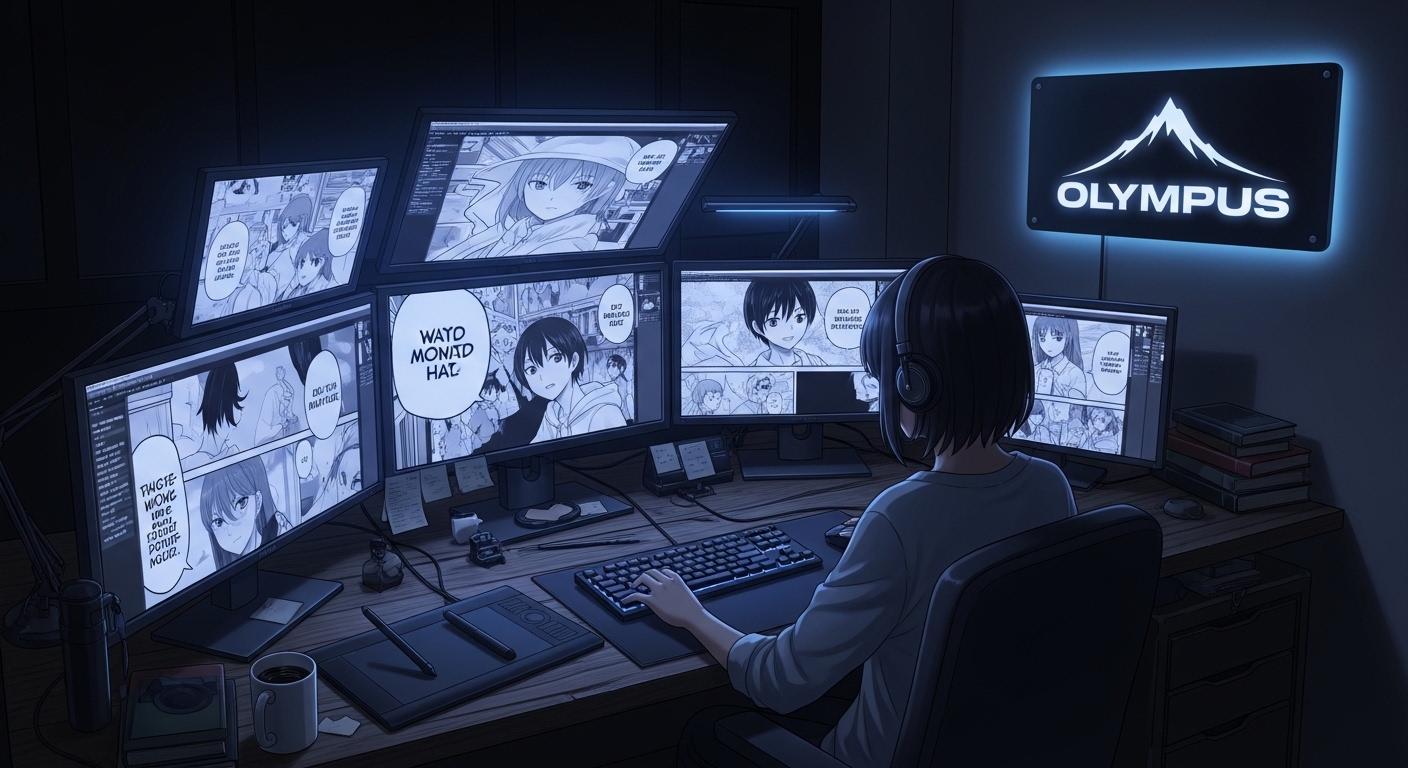
In the world of manga fandom, few names generate as much curiosity as Olympus Scanlation. For years, scanlation groups have played a crucial role in bringing Japanese manga to international audiences long before official translations become available. Among these communities, Olympus Scanlation carved out a distinct reputation.
But what exactly is Olympus Scanlation? How does it operate? Is it legal? And why does it matter to manga fans worldwide?
This comprehensive guide explores the history, structure, legality, and cultural impact of Olympus Scanlation, while also explaining how scanlation groups function and why they remain both celebrated and controversial.
If you’re a manga enthusiast, aspiring translator, or simply curious about the ecosystem behind unofficial translations, this deep dive will answer every question.
Table of Contents
ToggleWhat Is Scanlation?
Before understanding Olympus Scanlation, it’s essential to understand the concept of scanlation itself.
The word “scanlation” combines:
-
Scan (scanning raw manga pages)
-
Translation (translating text from Japanese to another language)
In simple terms, scanlation is the fan-driven process of translating manga from Japanese into other languages and distributing it digitally, often without official licensing.
The Basic Process of Scanlation
A typical scanlation workflow includes:
-
Obtaining raw Japanese manga pages
-
Translating dialogue
-
Cleaning original text from images
-
Redrawing artwork where text was removed
-
Typesetting translated dialogue
-
Quality checking
-
Digital distribution
Olympus Scanlation follows this same foundational structure, though with its own team style and editorial standards.
The Origins of Olympus Scanlation
While many scanlation groups emerged in the early 2000s, Olympus Scanlation became known within niche manga communities for focusing on specific genres and under-translated titles.
Like many fan-driven teams, Olympus Scanlation likely began as a small online group of:
-
Translators
-
Editors
-
Typesetters
-
Proofreaders
-
Graphic cleaners
These individuals collaborated remotely, often through forums, Discord servers, or private messaging platforms.
What distinguished Olympus Scanlation from many others was its commitment to quality presentation and consistent releases, which helped it build credibility among readers.
How Olympus Scanlation Works
To truly understand Olympus , you need to examine how a scanlation team operates behind the scenes.
1. Raw Acquisition
The first step involves acquiring raw manga chapters. These are usually:
-
Purchased digital copies
-
Scanned physical manga volumes
-
Obtained from Japanese distribution platforms
High-resolution raw images are crucial for professional-looking releases.
2. Translation
A bilingual translator converts Japanese dialogue into English (or another target language). This step requires:
-
Cultural awareness
-
Context interpretation
-
Slang adaptation
-
Character voice preservation
Good translation is not literal it’s contextual and natural.
Olympus became known for smooth, readable dialogue rather than robotic translations.
3. Cleaning & Redrawing
This is one of the most technically demanding steps.
Editors must:
-
Remove original Japanese text
-
Restore background artwork
-
Preserve panel integrity
If text overlaps detailed art, redrawers must manually recreate missing sections a time-intensive process.
4. Typesetting
Once translated text is finalized, typesetters insert dialogue into speech bubbles using fonts that match tone and style.
Consistency in:
-
Font choice
-
Text alignment
-
Bubble spacing
is what separates amateur work from high-quality scanlation.
Olympus often maintained consistent stylistic choices, improving readability.
5. Quality Checking
Before release, a quality checker reviews:
-
Grammar errors
-
Spelling mistakes
-
Formatting inconsistencies
-
Translation clarity
Only after approval does a chapter get released to the public.
Popular Manga Projects by Olympus Scanlation
While Olympus Scanlation often focused on niche or lesser-known manga, that was part of its appeal. Many fans rely on scanlation groups to access:
-
Unlicensed manga
-
Slow-to-release series
-
Rare or obscure titles
-
Out-of-print works
By targeting underserved content, Olympus Scanlation built loyalty among readers seeking material unavailable elsewhere.
Why Olympus Scanlation Gained Popularity
Several factors contributed to Olympus Scanlation’s recognition:
1. Quality Over Quantity
Rather than rushing releases, emphasis was placed on clean presentation and accurate translation.
2. Niche Genre Focus
Groups that specialize often attract dedicated communities.
3. Community Engagement
Scanlation teams frequently interact with readers via forums and Discord servers.
4. Faster Access Than Official Releases
In many cases, official translations take months sometimes years.
Olympus Scanlation filled that gap.
Legal and Ethical Considerations
This is where things get complicated.
Scanlation exists in a legal gray area and often crosses into copyright infringement.
Why Scanlation Is Legally Risky
Manga creators and publishers hold exclusive rights to:
-
Reproduction
-
Translation
-
Distribution
Unauthorized translation and distribution technically violate copyright laws.
Major publishers like Shueisha and Kodansha actively protect their intellectual property.
Scanlation groups, including Olympus Scanlation, generally operate unofficially and may face:
-
DMCA takedowns
-
Cease-and-desist letters
-
Platform bans
Ethical Debate
Some argue scanlation:
-
Expands global awareness
-
Boosts future official sales
-
Promotes lesser-known creators
Others argue it:
-
Undermines official licensing
-
Reduces potential revenue
-
Disrespects creator rights
The debate remains ongoing.
The Role of Scanlation Groups in the Manga Industry
Interestingly, scanlation has historically influenced the industry.
Many publishers discovered international demand through fan translations.
For example:
-
Online popularity often signals licensing potential.
-
Some series were officially licensed due to strong scanlation readership.
Scanlation acts as a market demand indicator, even if legally questionable.
How to Support Manga Creators Legally
If you enjoy titles discovered through Olympus Scanlation, consider supporting creators through:
-
Purchasing official volumes
-
Subscribing to licensed digital platforms
-
Buying merchandise
-
Supporting crowdfunding campaigns
Legal platforms help ensure:
-
Authors are compensated
-
Translators are paid
-
Industry sustainability continues
Pros and Cons of Scanlation
| Pros | Cons |
|---|---|
| Early access to manga | Copyright infringement |
| Access to unlicensed titles | Revenue loss for creators |
| Community-driven passion | Legal risks |
| Cultural exchange | Industry conflict |
Understanding both sides is essential.
The Future of Olympus Scanlation and Fan Translation
The landscape of manga distribution continues evolving.
With:
-
Simultaneous global releases
-
Digital subscriptions
-
AI-assisted translation tools
The need for traditional scanlation may decrease but it likely won’t disappear.
Fan communities remain strong, and groups like Olympus Scanlation represent a passionate era of grassroots manga distribution.
Conclusion
Olympus Scanlation represents more than just a fan translation group it symbolizes the passion, dedication, and global enthusiasm of manga communities worldwide.
While legal concerns remain significant, the cultural impact of scanlation cannot be ignored. Groups like Olympus helped shape international manga fandom, bridge language barriers, and introduce countless readers to stories they otherwise may never have discovered.
As the industry evolves with faster official releases and improved accessibility, the role of scanlation may shift but its legacy remains deeply embedded in manga history.
For readers, the key takeaway is balance:
Enjoy the community, discover new titles, but whenever possible support the creators who make the stories you love possible.
Frequently Asked Questions
1. What is Olympus Scanlation?
Olympus Scanlation is a fan-based manga translation group that translates and distributes Japanese manga for international audiences.
2. Is Olympus Scanlation legal?
Scanlation typically operates without official licensing, making it legally questionable and often infringing copyright laws.
3. Why do people use scanlation groups?
Readers often turn to scanlation for faster releases or access to unlicensed manga.
4. Does scanlation hurt manga creators?
It can potentially reduce revenue, but it may also increase global exposure.
5. Can scanlation groups become official?
Occasionally, talented translators and editors are hired by official publishers, but the group itself rarely becomes officially licensed.