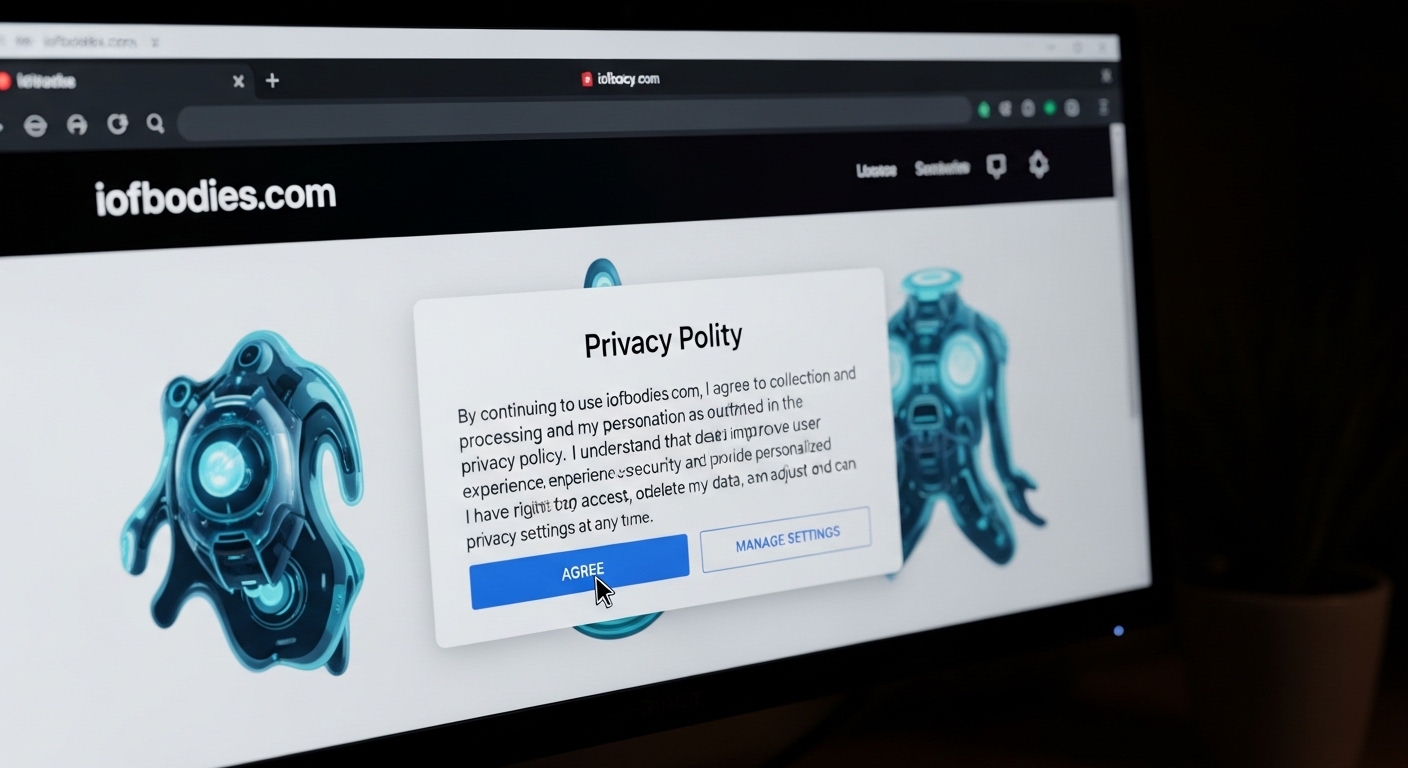
The concept of iofbodies.com privacy refers to the policies and systems that govern how personal and technical information is managed on the platform. When users interact with a website, they entrust it with certain information. A responsible privacy framework ensures that this information is handled lawfully, securely, and transparently. Privacy policies outline what data is collected, why it is collected, how long it is stored, and who has access to it. By clearly defining these elements, platforms create a foundation of trust and accountability.
Privacy is not only a regulatory requirement but also a competitive advantage. Users are more likely to engage with platforms that demonstrate responsible data handling practices and provide clear communication regarding privacy rights.
The Importance of Online Privacy
Online privacy matters because personal data has significant value. Cyber threats, identity theft, and unauthorized profiling are increasing globally. Without strong privacy protections, sensitive information can be exposed or misused. For this reason, platforms must implement secure systems and transparent policies.
Strong privacy practices protect users from fraud, data breaches, and unauthorized marketing activities. They also help organizations comply with data protection regulations. Most importantly, effective privacy management builds long-term user confidence and platform credibility.
Types of Data Collected
To understand iofbodies.com privacy, it is important to identify the categories of information that may be collected during user interaction.
Personal Information
Personal information typically includes data that can identify an individual. This may involve names, email addresses, account credentials, and payment details when transactions occur. Such data is usually provided voluntarily when users register, subscribe to services, or communicate with support.
Technical and Device Information
Technical data is automatically collected to ensure the website functions properly. This may include IP addresses, browser type, operating system, device identifiers, and time zone settings. These details help maintain compatibility, improve performance, and detect suspicious activity.
Usage and Behavioral Data
Behavioral data relates to how users interact with the platform. This may include pages visited, time spent on specific sections, navigation paths, and feature usage. This information supports service improvements and enhances user experience.
Methods of Data Collection
Data collection generally occurs in three primary ways. First, users directly provide information when filling out forms or creating accounts. Second, automated technologies such as cookies collect browsing and usage data. Third, third-party integrations such as payment processors may collect transactional information necessary to complete services.
Transparency requires that users are informed about these collection methods. Clear communication allows individuals to understand how their data is obtained and processed.
Purpose of Data Processing
Data collected under iofbodies.com privacy guidelines is typically processed for legitimate operational reasons. These may include account management, customer support, payment processing, service personalization, and security monitoring. Additionally, data may be used to comply with legal obligations or to send marketing communications when consent is provided.
Responsible platforms follow the principle of data minimization. This means collecting only the information necessary to fulfill specific purposes and avoiding excessive or unrelated data gathering.
Legal Basis for Data Handling
Modern privacy regulations require organizations to have a lawful basis for processing personal data. Common legal grounds include user consent, contractual necessity, legal obligations, and legitimate business interests. By clearly identifying the legal basis for processing activities, platforms ensure compliance and demonstrate accountability.
Users should have access to information explaining why their data is processed and under what authority. Transparency strengthens trust and regulatory alignment.
Cookies and Tracking Technologies
Cookies are small data files stored on user devices to improve website functionality and analyze performance. Essential cookies enable core features such as login sessions and secure navigation. Performance cookies collect anonymous data about how visitors use the site, helping improve functionality. Functional cookies remember user preferences, while marketing cookies may support advertising initiatives.
Users generally have the option to manage cookie preferences through browser settings or consent banners. Providing granular cookie controls reinforces user autonomy and privacy control.
Data Security Measures
Data security forms the backbone of effective iofbodies.com privacy practices. Strong encryption protocols protect data during transmission and storage. Secure HTTPS connections ensure that information sent between users and servers cannot easily be intercepted. Additionally, encryption at rest protects stored data from unauthorized access.
Access to personal information is typically restricted through role-based permissions. Only authorized personnel can view or manage sensitive data. Firewalls, intrusion detection systems, and regular security audits further strengthen defenses against cyber threats.
Continuous monitoring and threat detection systems help identify suspicious activity quickly, minimizing potential damage in the event of a breach.
Third-Party Data Sharing
In some cases, data may be shared with trusted service providers such as hosting companies, payment processors, or analytics platforms. However, responsible privacy frameworks require that these third parties operate under strict confidentiality agreements and data protection standards.
Personal data should not be sold or shared for unauthorized purposes. Clear disclosure regarding third-party involvement ensures transparency and helps users understand how their information may be processed beyond the primary platform.
International Data Transfers
If user data is transferred across international borders, safeguards must remain in place to maintain protection standards. Regulatory mechanisms such as contractual agreements and compliance frameworks ensure that transferred data receives equivalent levels of security.
Users should be informed if their data is processed outside their country of residence and what measures are taken to protect it.
User Privacy Rights
One of the most important aspects of iofbodies.com privacy is the protection of user rights. Modern privacy laws grant individuals the right to access their personal data and request information about how it is used. Users can also request corrections if their data is inaccurate.
In certain circumstances, individuals may request deletion of their information. This right, often referred to as the “right to be forgotten,” allows users to maintain control over their digital presence. Additionally, data portability rights enable users to obtain their data in a structured format for transfer to another service provider.
Users may also object to certain processing activities, particularly direct marketing communications. Respecting these rights demonstrates commitment to user empowerment.
Children’s Privacy Protection
Protecting minors is a critical aspect of privacy compliance. Responsible platforms implement measures to prevent unauthorized collection of children’s data. Many require parental consent before allowing minors to create accounts. These safeguards align with child data protection regulations and ethical standards.
Data Retention Policies
Data should not be stored indefinitely. Clear retention policies define how long information is kept and when it is deleted. Personal data is generally retained only for as long as necessary to fulfill operational or legal requirements. Reducing unnecessary storage lowers the risk of data exposure and strengthens overall security.
Account Security Recommendations
While platforms implement strong privacy protections, users also share responsibility for safeguarding their accounts. Creating strong passwords, enabling two-factor authentication, and avoiding unsecured networks significantly reduce security risks. Regularly reviewing account activity helps detect unauthorized access early.
Privacy and security function best when both platform providers and users actively participate in protection measures.
Transparency and Policy Updates
Privacy policies evolve as regulations change and technology advances. Platforms should notify users of significant updates and provide clear explanations of changes. Transparency in communication reinforces trust and ensures users remain informed about how their data is handled.
Regularly reviewing privacy terms helps users stay aware of their rights and responsibilities.
Conclusion
Understanding iofbodies.com privacy is essential for users who value transparency and digital security. Privacy is more than a legal formality; it is a commitment to responsible data management. By implementing secure encryption, limiting data collection, respecting user rights, and maintaining transparency, platforms can foster long-term trust.
Users who stay informed about privacy practices and adopt strong personal security habits contribute to a safer digital environment. In a world where data is constantly generated and exchanged, informed awareness remains the strongest form of protection.
Frequently Asked Questions
1. What does iofbodies.com privacy policy cover?
It outlines how user data is collected, processed, stored, shared, and protected while explaining user rights and legal compliance.
2. Does iofbodies.com collect personal information?
Yes, personal data may be collected when users register, communicate, or engage with platform services.
3. How is user data secured?
Data is typically protected through encryption, access controls, and continuous monitoring systems.
4. Can users request deletion of their data?
Yes, privacy regulations generally provide users with the right to request deletion under certain conditions.
5. Are cookies used on the platform?
Most websites use cookies for functionality and analytics. Users can usually manage cookie preferences through browser settings.
6. How long is personal data retained?
Data retention periods depend on operational and legal requirements but are limited to necessary durations.