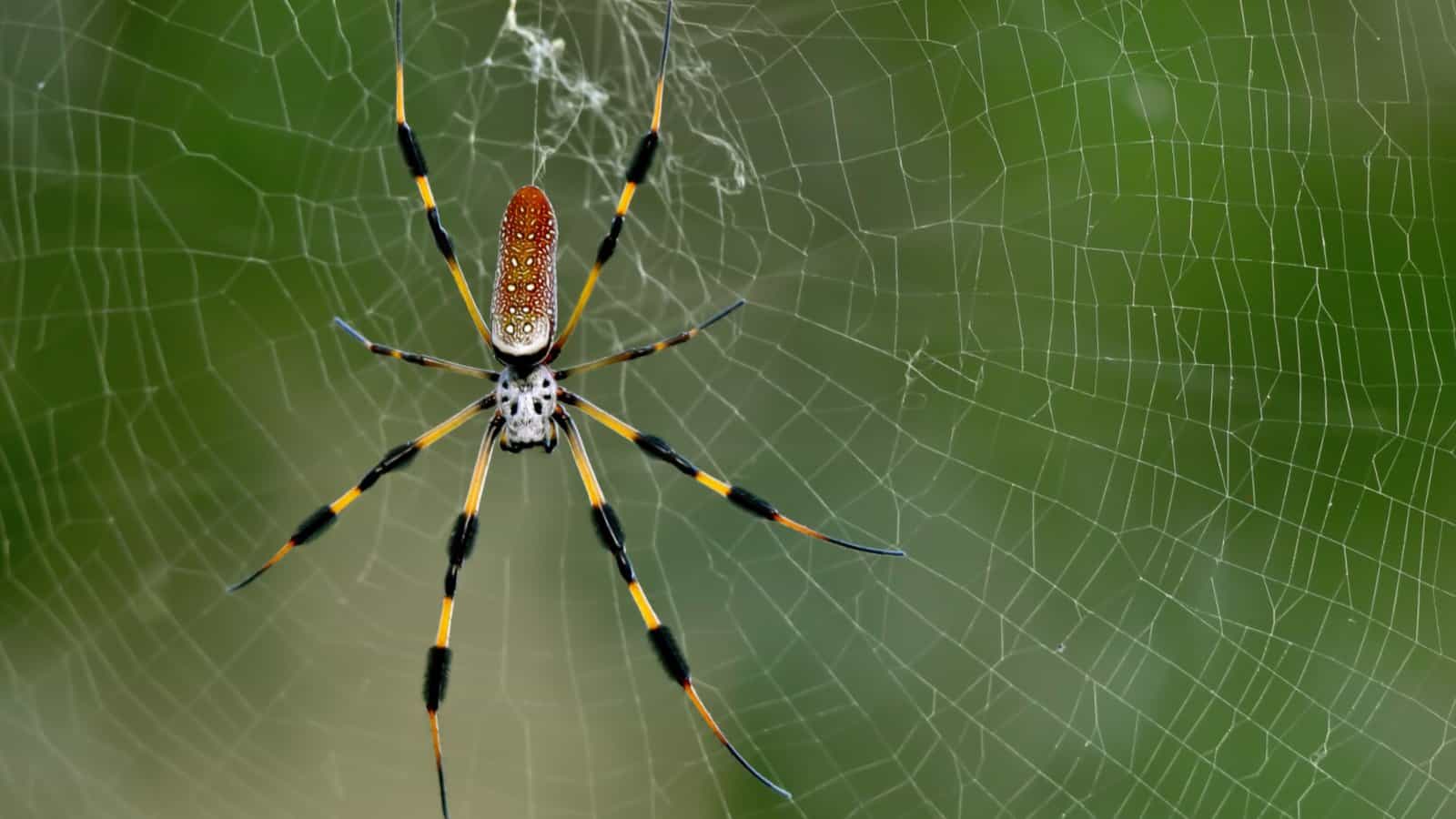
The natural world is filled with creatures that evoke curiosity, admiration, and sometimes fear. Among them, few arachnids have generated as much intrigue as the banana spider. Known for its impressive size, striking appearance, and remarkably strong web, this spider has become a topic of fascination for scientists, nature enthusiasts, and the general public alike. Despite its intimidating reputation, the reality behind this spider is far more nuanced than popular myths suggest.
Often encountered in tropical and subtropical environments, this spider plays a critical role in maintaining ecological balance. Its ability to thrive in diverse habitats, combined with its unique hunting methods, has made it one of the most studied web-building spiders in the world. Understanding this species requires separating fact from fiction and appreciating its place in nature rather than viewing it through fear-based narratives.
This article provides an in-depth exploration of its biology, behavior, cultural significance, and ecological value. By examining its characteristics and interactions with humans, readers can gain a balanced perspective on a spider that is frequently misunderstood.
Understanding the Name and Its Origins
The common name associated with this spider has caused considerable confusion over time. The term “banana spider” does not refer to a single scientifically defined species but is instead a name applied to several large spiders found in warm climates. The origin of the name is often linked to the spider’s frequent presence near banana plantations or shipments of bananas, particularly in tropical regions.
Historically, dock workers and agricultural laborers occasionally encountered these spiders hiding among banana bunches. Over time, these sightings contributed to the widespread belief that the spider was somehow exclusive to bananas, even though its habitat preferences are far broader. The name persisted in popular usage, becoming deeply embedded in regional folklore and media portrayals.
This naming ambiguity has also led to misconceptions about danger and behavior. In reality, the spiders grouped under this name differ significantly in temperament and venom potency, reinforcing the importance of scientific classification over colloquial labels.
Scientific Classification and Related Species
From a scientific perspective, spiders commonly referred to by this name belong to different genera, depending on geographic location. Some are members of the Nephila genus, known for their massive golden webs, while others fall under Phoneutria, a group often labeled as wandering spiders. This distinction is crucial, as it highlights differences in behavior, web-building tendencies, and venom characteristics.
The Nephila spiders are famous for their orb-shaped webs that can span several meters. These webs possess a golden sheen that reflects sunlight, making them both beautiful and functional. On the other hand, Phoneutria species are more mobile and do not rely heavily on webs for capturing prey.
Understanding these classifications allows researchers to better study evolutionary adaptations and ecological roles. It also helps clarify why public perceptions vary so widely, as different species have vastly different interactions with humans.
Physical Characteristics and Web Design
One of the most striking features of spiders associated with this name is their size. Females are significantly larger than males, a common trait among many spider species. Their long legs, often marked with bands of color, give them an imposing appearance that can easily alarm unsuspecting observers.
The web design, particularly among orb-weaving species, is a marvel of natural engineering. The silk used is exceptionally strong and elastic, capable of trapping insects much larger than the spider itself. Scientists have studied this silk extensively, as it exhibits properties that surpass many synthetic materials in strength-to-weight ratio.
Beyond functionality, the web serves as a visual deterrent. Birds and larger animals often avoid these webs, reducing the likelihood of accidental damage. This combination of strength and visibility highlights the spider’s evolutionary success in adapting to its environment.
Habitat Distribution Across the World
Spiders commonly identified by this name are primarily found in tropical and subtropical regions. Their distribution spans parts of South America, Central America, Africa, Asia, and Australia. Warm temperatures and high humidity create ideal conditions for web construction and prey availability.
Forests, gardens, agricultural fields, and even urban areas can serve as suitable habitats. These spiders are remarkably adaptable, often building webs between trees, shrubs, or man-made structures. Their presence in human-dominated landscapes has contributed to frequent encounters and, consequently, heightened public awareness.
Despite their adaptability, habitat destruction poses challenges. Deforestation and urban expansion can disrupt web-building sites and reduce insect populations, indirectly affecting spider survival.
Behavior and Daily Activity Patterns
The behavior of these spiders is largely influenced by their environment and species classification. Web-building varieties are typically sedentary, spending much of their time maintaining their webs and waiting for prey. They exhibit remarkable patience, responding quickly when vibrations signal a trapped insect.
Nocturnal activity is common, as many insects are more active at night. During daylight hours, the spider may remain motionless at the center of its web or retreat to nearby foliage. This behavior conserves energy and minimizes exposure to predators.
In contrast, wandering species exhibit more active hunting behavior, relying on speed and venom rather than webs. These behavioral differences underscore the diversity within spiders sharing the same common name.
Diet and Hunting Techniques
Insects form the primary diet of these spiders. Flies, moths, beetles, and even small grasshoppers frequently become entangled in their webs. Once captured, the spider quickly immobilizes the prey using venom and silk.
The efficiency of their hunting strategy contributes to natural pest control. By reducing insect populations, these spiders indirectly benefit agricultural systems and gardens. Their presence can help maintain ecological balance without the need for chemical interventions.
Occasionally, larger prey such as small birds or bats may become trapped in particularly strong webs, though such events are rare. These incidents often fuel exaggerated stories, overshadowing the spider’s typical dietary habits.
Venom: Myths, Facts, and Scientific Reality
Few aspects of this spider generate as much fear as its venom. Popular media has often portrayed it as extremely dangerous, leading to widespread anxiety. However, scientific evidence paints a more balanced picture.
While some species associated with the name possess potent venom, bites are rare and typically occur only when the spider feels threatened. Most encounters result in defensive behavior rather than aggression. For many species, venom is primarily used for subduing prey rather than causing harm to humans.
Medical research has even explored potential applications of spider venom in pain management and neurological studies. These findings highlight the importance of viewing venom as a complex biological tool rather than a symbol of danger.
Role in Ecosystems and Environmental Balance
Spiders play a vital role in ecosystems by regulating insect populations. The banana spider contributes significantly to this balance, particularly in tropical environments where insect diversity is high. By controlling pest species, it supports plant health and agricultural productivity.
Its webs also serve as microhabitats for other organisms. Tiny insects may scavenge leftover prey remains, while birds sometimes use strands of spider silk for nest construction. These interactions demonstrate the interconnectedness of ecosystems.
The removal of such predators can lead to cascading effects, emphasizing the importance of preserving spider populations as part of broader conservation efforts.
Cultural Symbolism and Folklore
Across different cultures, spiders have symbolized creativity, patience, and mystery. In some regions, the banana spider is associated with cautionary tales designed to teach respect for nature. Folklore often exaggerates its size or danger, reflecting human fascination with creatures that challenge comfort zones.
In other traditions, spiders are seen as symbols of resilience and craftsmanship due to their intricate webs. These positive interpretations coexist with fear-based narratives, illustrating the complex relationship between humans and arachnids.
Cultural stories, while not scientifically accurate, offer insight into how communities perceive and relate to the natural world.
Banana Spider in Media and Popular Culture
Media portrayals have played a significant role in shaping public perception. Movies, documentaries, and online content often emphasize dramatic aspects, sometimes at the expense of accuracy. Sensational headlines contribute to myths that overshadow scientific understanding.
At the same time, educational programs and nature documentaries have helped correct misconceptions. By showcasing the spider’s ecological role and behavior, these productions encourage appreciation rather than fear.
The contrast between sensationalism and education highlights the responsibility of media in shaping attitudes toward wildlife.
Human Interaction and Common Misconceptions
Encounters between humans and spiders are often driven by habitat overlap. Gardens, farms, and outdoor structures provide ideal web-building sites, increasing the likelihood of sightings. Fear responses are usually rooted in misunderstanding rather than actual risk.
One persistent misconception is that these spiders actively seek out humans, which is not supported by evidence. In reality, they prefer to avoid confrontation and will retreat when possible. Education and awareness are key to reducing unnecessary fear and promoting coexistence.
Understanding behavior patterns can help individuals appreciate these spiders as part of their local ecosystem rather than viewing them as threats.
Conservation Status and Environmental Impact
Most species associated with this common name are not currently classified as endangered. However, environmental changes such as deforestation, pesticide use, and climate shifts can impact local populations. Conservation efforts aimed at preserving habitats indirectly support spider diversity.
Protecting spiders contributes to broader biodiversity goals. As predators, they help stabilize food webs and maintain ecological resilience. Their decline could signal underlying environmental issues that warrant attention.
Recognizing their value encourages more inclusive conservation strategies that consider even the most misunderstood creatures.
Comparison With Similar Spider Species
Spiders often confused with this one include other large orb-weavers and wandering spiders. Differences in web structure, behavior, and coloration can help distinguish them. While size and appearance may be similar, ecological roles and venom potency vary widely.
Comparative studies reveal how different species have adapted to similar environments through unique evolutionary paths. These comparisons enhance scientific understanding and reduce misidentification.
Accurate identification is essential for both research and public education, helping dispel generalized fears.
Conclusion
The banana spider represents a compelling example of how perception can differ from reality. Often misunderstood and sensationalized, it is, in truth, an essential component of many ecosystems. Its impressive web, ecological contributions, and evolutionary adaptations highlight the complexity of the natural world.
By replacing fear with knowledge, humans can foster a more respectful relationship with spiders and other wildlife. Appreciating their role encourages coexistence and supports broader environmental conservation efforts. Understanding this spider not as a threat but as a fascinating organism allows us to see nature with greater clarity and balance.
Frequently Asked Questions (FAQs)
Is the banana spider dangerous to humans?
Most species associated with this name are not aggressive, and bites are rare. Medical complications are uncommon when proper care is taken.
Why is it called a banana spider?
The name originates from sightings near banana plantations and shipments, rather than a dietary preference.
Where are these spiders commonly found?
They inhabit tropical and subtropical regions across multiple continents, favoring warm and humid environments.
Do they help control insect populations?
Yes, they play a significant role in reducing pest insects, benefiting ecosystems and agriculture.
Are they protected by conservation laws?
While not typically endangered, habitat preservation indirectly supports their populations and ecological role.