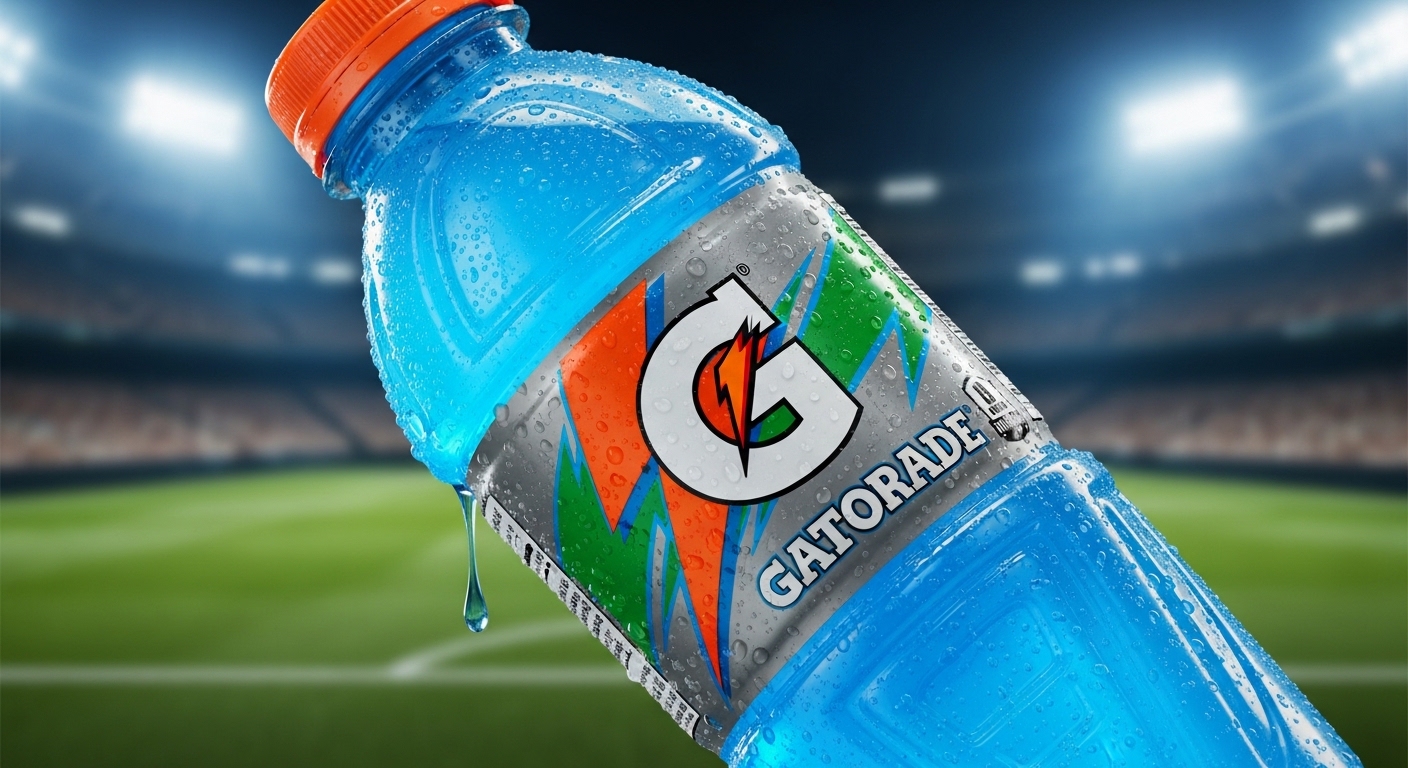
Among the vast selection of sports drinks available today, blue gatorade holds a special place in the minds of athletes, casual consumers, and pop culture enthusiasts alike. It is more than a beverage; it has become a symbol of hydration, performance, and familiarity. Recognizable by its vivid electric-blue color and refreshing taste, this flavor has transcended its original functional purpose to become a cultural staple. From professional locker rooms to school lunch tables, its presence is nearly universal, making it one of the most instantly identifiable sports drinks in the world.
The Origins of Gatorade and the Rise of a Blue Icon
Gatorade itself was born out of scientific necessity. Developed in the 1960s at the University of Florida, the drink was created to address dehydration and electrolyte loss in athletes performing under extreme conditions. While early flavors were limited and utilitarian, consumer tastes evolved over time, encouraging innovation beyond basic citrus profiles.
The introduction of a blue-colored flavor marked a turning point. It signaled a shift from purely functional hydration toward an experience that combined science with sensory appeal. Blue gatorade quickly stood out on shelves, not just for its taste but for its bold visual identity. The color alone distinguished it from traditional sports drinks, helping it gain rapid popularity among younger consumers and athletes seeking something new and energizing.
The Flavor Profile That Defines Blue Gatorade
One of the most debated aspects of this drink is its flavor description. Often referred to as “Cool Blue,” it blends subtle berry notes with a crisp, clean finish. Unlike overpowering sweetness found in many beverages, its taste is designed to be refreshing and easy to drink, even during intense physical activity.
What sets blue gatorade apart is its balance. The flavor does not overwhelm the palate, allowing it to remain appealing across a wide range of consumers. This neutrality makes it suitable for hydration during sports, casual sipping, or recovery after physical exertion. Its consistent flavor profile has contributed significantly to long-term consumer loyalty.
Color Psychology and the Appeal of Blue Beverages
Color plays a powerful role in how people perceive taste and refreshment. Blue, in particular, is often associated with coolness, calm, and clarity. In the context of beverages, it suggests a refreshing and thirst-quenching experience.
The striking hue of blue gatorade reinforces these psychological cues. Studies in color psychology suggest that blue beverages are often perceived as more refreshing, even before tasting. This visual impact enhances the drinking experience and helps explain why this flavor resonates so strongly with consumers across different age groups.
Ingredients and Formulation Explained
At its core, Gatorade is formulated to support hydration by replenishing fluids and electrolytes lost through sweat. Sodium and potassium play key roles in maintaining fluid balance, while carbohydrates provide a quick source of energy.
In blue gatorade, these ingredients are carefully balanced to ensure drinkability without heaviness. The formulation is designed to be absorbed quickly by the body, making it suitable for both active use and everyday hydration. While some consumers focus on flavor alone, the science behind the formulation remains a critical component of its enduring success.
Blue Gatorade in Sports and Athletic Culture
Sports culture has been instrumental in cementing the drink’s legendary status. From televised games to locker room celebrations, the sight of athletes reaching for a bottle has become iconic. The tradition of pouring sports drinks over winning coaches has further amplified its visibility.
Blue gatorade has frequently been associated with these moments, reinforcing its connection to victory and performance. Over time, this association has strengthened brand loyalty, as consumers subconsciously link the flavor with success, endurance, and athletic achievement.
Pop Culture, Branding, and Global Recognition
Beyond the sports arena, Gatorade has established a strong presence in music, film, and digital media. The brand’s marketing strategies often emphasize energy, resilience, and determination. The blue variant, with its bold appearance, naturally fits into these narratives.
The global recognition of blue gatorade speaks to its effective branding. In many regions, it is not just a flavor but a reference point for sports drinks in general. Its image has been shaped by decades of consistent messaging, making it instantly recognizable even to those who may not regularly consume sports beverages.
Hydration, Electrolytes, and Public Perception
Public perception of sports drinks has evolved significantly over the years. While originally marketed exclusively for athletes, they are now consumed by a much broader audience. This shift has sparked conversations about hydration, sugar content, and appropriate usage.
Blue gatorade often finds itself at the center of these discussions due to its popularity. Many consumers view it as a reliable hydration option during physical activity, while others enjoy it casually. Its widespread acceptance reflects a balance between functionality and enjoyment, even as nutritional awareness continues to grow.
Blue Gatorade Compared With Other Flavors
Within the Gatorade lineup, numerous flavors compete for attention. Citrus-based options, fruit punches, and lighter variants all appeal to different preferences. Yet, the blue flavor consistently ranks among the most popular.
What distinguishes blue gatorade is its versatility. It appeals to both long-time fans and new consumers, bridging generational gaps. While some flavors are seasonal or trend-driven, this one has demonstrated remarkable staying power, maintaining relevance despite changing consumer tastes.
Consumer Loyalty and Emotional Connection
Brand loyalty is rarely built on taste alone. Emotional connections play a crucial role in long-term success. For many people, their first experience with Gatorade involved a specific moment, such as a childhood sports game or a hot summer day.
Blue gatorade often becomes part of these memories, embedding itself in personal narratives. This emotional resonance strengthens consumer attachment, transforming a simple beverage into a familiar comfort. Such connections are difficult for competitors to replicate and contribute significantly to the flavor’s enduring popularity.
The Role of Blue Gatorade in Modern Beverage Trends
The beverage industry continues to evolve, with increasing demand for variety, customization, and functional benefits. Despite these shifts, classic products remain influential. The continued success of blue gatorade demonstrates the power of a well-established identity.
While newer drinks may emphasize novelty or niche benefits, this flavor represents consistency and reliability. Its presence in modern beverage culture highlights how traditional products can coexist with innovation, adapting subtly without losing their core appeal.
Conclusion
The lasting appeal of blue gatorade is the result of a unique combination of science, sensory experience, and cultural relevance. From its origins in athletic performance to its role in everyday hydration, it has evolved without losing its identity. The bold blue color, balanced flavor, and strong emotional connections have elevated it beyond a simple sports drink. As consumer preferences continue to change, this iconic flavor remains a testament to the power of thoughtful design, effective branding, and genuine consumer trust.
Frequently Asked Questions (FAQs)
What flavor is blue gatorade supposed to be?
It is commonly described as a cool berry-inspired flavor with a clean, refreshing finish rather than a single identifiable fruit.
Why is blue gatorade so popular compared to other flavors?
Its popularity stems from a balance of taste, visual appeal, and strong associations with sports and performance culture.
Is blue gatorade only meant for athletes?
While originally designed for athletes, it is now widely consumed by people seeking refreshment during various activities.
Does the blue color affect how it tastes?
The color influences perception, often making the drink seem more refreshing before tasting.
Has blue gatorade changed over the years?
The core identity has remained consistent, with only minor adjustments to formulation and branding to match modern standards.