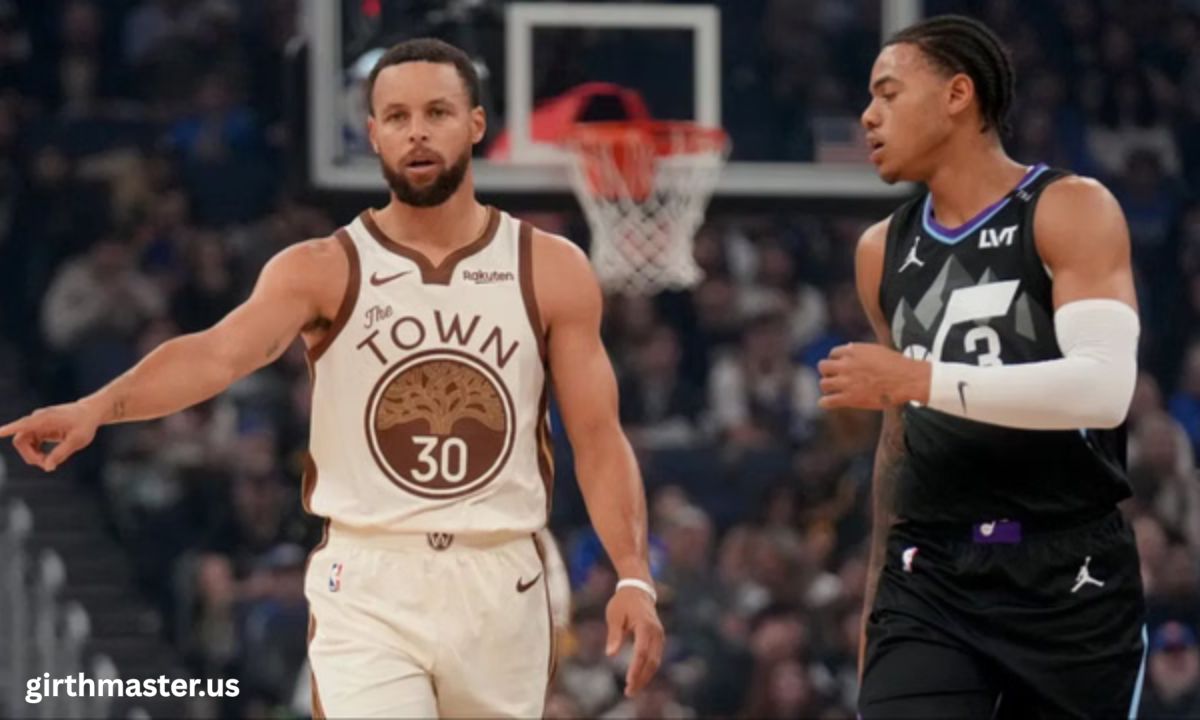
The golden state warriors vs utah jazz match player stats always draw serious attention from basketball fans who appreciate elite shooting, disciplined defense, and strategic execution. When the Golden State Warriors meet the Utah Jazz, the contest is not just about the final score. It is about efficiency, depth, player matchups, and how individual performances shape the outcome.
This detailed article explores scoring leaders, shooting splits, rebounds, assists, defensive impact, bench contributions, and advanced analytics to give a complete view of the golden state warriors vs utah jazz match player stats.
Game Overview and Match Context
The Golden State Warriors are widely known for pace, spacing, and perimeter shooting. The Utah Jazz typically emphasize structure, controlled ball movement, and balanced scoring. When these two teams face off, the statistical comparison becomes fascinating.
Early quarters usually set the tone:
-
Warriors test defensive coverage with high-volume three-point attempts.
-
Jazz attack mismatches inside and operate through disciplined half-court sets.
-
Transition defense becomes a major factor.
Understanding the game flow helps interpret the golden state warriors vs utah jazz match player stats more accurately.
Golden State Warriors Player Performance Analysis
Stephen Curry remains the offensive engine of the Warriors. In matchups against Utah, his stat line often includes:
-
28 to 35 points
-
5 to 8 assists
-
4 to 6 rebounds
-
40 percent or higher from three-point range
Curry’s shooting gravity stretches the defense and opens lanes for teammates. Even when tightly guarded, his movement creates space that does not always show directly in the box score but influences overall team efficiency.
Klay Thompson’s Scoring Role
Klay Thompson’s contribution usually appears through catch-and-shoot opportunities and quick scoring bursts. Against Utah, his typical numbers may include:
-
18 to 25 points
-
Multiple three-pointers
-
Strong perimeter defense
When Thompson gets into rhythm, the Warriors’ offensive rating increases significantly.
Draymond Green’s Defensive and Playmaking Impact
Draymond Green’s influence is not always reflected in scoring totals. His contributions typically include:
-
8 to 12 rebounds
-
6 to 9 assists
-
1 to 2 steals
-
1 to 2 blocks
Green’s defensive communication and ability to switch across positions often limit Utah’s offensive flow.
Utah Jazz Player Performance Analysis
Lauri Markkanen frequently leads Utah in scoring during these matchups. His performance often includes:
-
24 to 30 points
-
8 to 10 rebounds
-
Efficient shooting inside and from long range
Markkanen’s size and versatility create matchup challenges for Golden State’s smaller lineups.
Backcourt Contribution
Utah’s guards focus on:
-
Ball distribution
-
Pick-and-roll execution
-
Controlled tempo
Assist-to-turnover ratio is a key metric. When Utah maintains fewer than 12 turnovers, their offensive rhythm remains steady.
Bench Production
Bench scoring plays a decisive role. Utah’s second unit often contributes:
-
30 or more combined points
-
Key defensive stops
-
High-energy rebounding
Depth allows Utah to maintain competitiveness even when starters rest.
Shooting Efficiency Comparison
One of the most important parts of the golden state warriors vs utah jazz match player stats is shooting efficiency.
Field Goal Percentage
-
Warriors often shoot between 46 and 50 percent.
-
Jazz typically range between 44 and 48 percent.
Three-Point Shooting
Golden State frequently attempts 35 to 45 three-pointers per game. If they convert above 38 percent, their chances of winning rise dramatically.
Utah focuses more on balanced shot selection rather than pure three-point volume.
Rebounding Battle and Interior Presence
Rebounding numbers highlight which team controls possessions.
Key areas include:
-
Defensive rebounds to prevent second chances
-
Offensive rebounds leading to extra points
-
Points in the paint
Utah usually aims to capitalize on size advantages, while Golden State relies on team rebounding and quick rotations.
A positive rebound differential often correlates strongly with victory.
Turnovers and Transition Scoring
Turnovers significantly impact momentum.
Golden State thrives when:
-
Forcing steals
-
Converting fast-break points
-
Recording 25 or more assists
Utah performs best when:
-
Limiting careless passes
-
Slowing the tempo strategically
-
Protecting half-court sets
A turnover margin of plus five or more typically influences the final outcome.
Advanced Statistical Insights
Advanced analytics add depth to the golden state warriors vs utah jazz match player stats analysis.
True Shooting Percentage
True shooting percentage measures overall scoring efficiency including free throws and three-pointers.
-
Elite performance: above 60 percent
-
Average performance: 55 to 58 percent
Plus-Minus Rating
This metric shows team performance while a player is on the court. Role players sometimes lead in plus-minus due to defensive hustle and smart rotations.
Player Efficiency Rating
Star players in competitive matchups often post a rating above 20, reflecting strong all-around impact.
Defensive Matchups and Tactical Adjustments
Golden State typically switches defensive assignments to contain Utah’s primary scorer. Utah often applies tight perimeter pressure to contest three-point attempts.
Important defensive factors include:
-
Opponent field goal percentage
-
Defensive rating
-
Steals and blocks
-
Contested shot percentage
If Utah limits Golden State to under 35 percent from beyond the arc, the game becomes much more balanced.
Fourth Quarter and Clutch Performance
Close games between these teams frequently come down to late-game execution.
Clutch stats to evaluate include:
-
Points scored in final five minutes
-
Free throw accuracy
-
Turnovers under pressure
-
Shot selection efficiency
Experience plays a major role. The Warriors’ championship core often demonstrates composure in critical moments.
Fantasy Basketball and Analytical Insights
For fantasy basketball enthusiasts, the golden state warriors vs utah jazz match player stats provide valuable predictive indicators.
Key fantasy contributors usually include:
-
High-usage scorers
-
Rebound-focused forwards
-
Playmaking guards
Monitoring minutes played, recent form, and matchup trends can help forecast future performances.
Historical Trends Between the Teams
Historically, Golden State’s perimeter shooting has been a decisive factor in many matchups. Utah has shown resilience, especially in home games where defensive intensity increases.
Common patterns include:
-
High-scoring first halves
-
Momentum shifts during third quarter
-
Competitive fourth-quarter finishes
Roster changes, injuries, and schedule fatigue often influence statistical outcomes.
Key Takeaways From the Matchup
-
Three-point efficiency often determines momentum.
-
Rebounding margin shapes possession control.
-
Turnover differential influences transition scoring.
-
Bench depth can swing the game.
-
Clutch execution decides close contests.
The golden state warriors vs utah jazz match player stats reveal the strategic battle beyond raw scoring totals.
Conclusion
The golden state warriors vs utah jazz match player stats offer a complete story of pace, strategy, and individual excellence. Golden State relies heavily on perimeter accuracy and ball movement, while Utah focuses on structured offense and physical presence.
Analyzing shooting percentages, rebound margins, assist totals, defensive efficiency, and advanced metrics provides a comprehensive understanding of how each team performs. Every category contributes to the larger narrative of competitive balance between these franchises.
As future matchups unfold, player development and tactical evolution will continue shaping the statistical landscape of this compelling NBA rivalry.
FAQs
1. Who typically leads scoring in Golden State vs Utah matchups?
Golden State’s leading scorer is often their primary perimeter shooter, while Utah relies on a versatile forward to anchor offensive production.
2. Why are three-point stats so important in this matchup?
Golden State’s offensive system emphasizes high-volume three-point shooting. Efficiency from long range directly affects game outcomes.
3. How important is rebounding in this game?
Rebounding determines possession control and second-chance opportunities, both of which significantly impact scoring totals.
4. Which advanced metric best evaluates performance?
True shooting percentage and plus-minus rating provide deeper insights beyond basic scoring totals.
5. Does bench scoring influence results?
Yes, second-unit production frequently shifts momentum and can decide tightly contested games.