Interior design trends are a reflection of cultural shifts, technological advancements, and personal expression. In the modern era, interior design trends are not only about aesthetics but also about creating functional, sustainable, and innovative spaces. Interior Design Trends evolve constantly, influenced by global styles, environmental consciousness, and lifestyle needs. Understanding these trends allows homeowners, designers, and enthusiasts to make informed decisions that elevate their spaces while staying contemporary.
The Evolution of Interior Design
The history of interior design reflects societal changes and technological progress. From the opulent decor of the Victorian era to the sleek modernism of the 20th century, interior design trends have always responded to lifestyle, economy, and culture. The digital age has accelerated the spread of ideas, allowing new trends to gain global attention rapidly. Today, Interior Design Trends emphasize adaptability, sustainability, and a blend of form and function.
Embracing Minimalism
Minimalism continues to dominate contemporary interior design trends. Characterized by clean lines, neutral color palettes, and clutter-free spaces, minimalism promotes a sense of tranquility and clarity. This trend emphasizes quality over quantity, encouraging the use of fewer, more impactful furnishings and decor pieces. The minimalist approach is not just aesthetic but also practical, enabling easier maintenance and fostering mental well-being.
Sustainable and Eco-Friendly Design
Sustainability is a cornerstone of modern Interior Design Trends. Designers and homeowners are increasingly opting for eco-friendly materials, energy-efficient lighting, and sustainable furnishings. Reclaimed wood, recycled metals, and low-VOC paints are common choices that reduce environmental impact. Integrating sustainable design not only helps the planet but also enhances indoor air quality and long-term durability of interiors.
Bold Colors and Statement Pieces
While minimalism focuses on neutrality, bold colors are making a statement in contemporary interior design trends. Vibrant hues such as deep blues, emerald greens, and burnt oranges are used to accentuate walls, furniture, or decor items. Statement pieces, including oversized art, sculptural furniture, or unique lighting fixtures, create focal points and add personality to spaces. These elements showcase individuality while aligning with modern aesthetics.
Smart Home Integration
Technology is reshaping Interior Design Trends, with smart home integration becoming a central theme. Automated lighting, climate control, voice-activated assistants, and security systems enhance convenience and efficiency. Designers are finding creative ways to seamlessly incorporate technology without compromising style. The future of interiors will likely see an even deeper fusion of design and technology, making smart living the new standard.
Multifunctional Spaces
With urban living spaces becoming smaller, multifunctional interiors are gaining popularity. Furniture that serves multiple purposes, such as foldable desks, convertible sofas, and modular storage units, aligns with modern Interior Design Trends. This approach maximizes usability without sacrificing style, catering to work-from-home scenarios, entertainment needs, and family life in a single space.
Biophilic Design and Nature-Inspired Interiors
Biophilic design emphasizes the connection between humans and nature. Incorporating natural elements like indoor plants, natural light, water features, and earthy materials has become a defining trend. Nature-inspired interiors create calming environments and promote well-being. Interior Design Trends now often include biophilic principles, making homes healthier, more vibrant, and visually connected to the outdoors.
Texture and Material Innovation
Modern interiors are exploring textures and materials to add depth and tactile interest. Mixing materials such as velvet, wood, metal, and glass creates contrast and sophistication. Wall treatments, flooring, and furniture with rich textures enhance the sensory experience. Material innovation is also aligned with sustainability, using recycled and ethically sourced components to create aesthetically pleasing and responsible interiors.
Retro Revival and Nostalgia in Design
Nostalgia is influencing Interior Design Trends, with retro elements making a comeback. Mid-century modern furniture, vintage patterns, and classic color palettes evoke memories of past decades. The fusion of old and new allows for unique, eclectic interiors that feel both familiar and contemporary. Retro revival appeals to those seeking personality, warmth, and character in their spaces.
Lighting as a Focal Point
Lighting is no longer just functional; it is a central element in interior design trends. Statement chandeliers, pendant lights, and LED accents create ambiance, highlight architectural features, and add artistic flair. Layered lighting strategies, including task, ambient, and accent lighting, are essential in modern interiors. Thoughtful lighting design enhances aesthetics and affects mood, reinforcing the transformative power of well-planned illumination.
Personalization and Unique Aesthetic
Personalization is at the heart of contemporary Interior Design Trends. Homeowners are increasingly incorporating custom furniture, personalized art, and bespoke decor to reflect individual tastes. This trend values authenticity, allowing spaces to tell personal stories while remaining stylish and cohesive. Personalized interiors balance creativity with functionality, making each space distinctly meaningful.
Cultural Influences in Modern Interiors
Global cultural influences shape many modern interior design trends. From Japanese minimalism and Scandinavian simplicity to Moroccan patterns and Indian textiles, diverse aesthetics are integrated into contemporary homes. These cultural elements enrich interiors, creating visually stimulating and culturally aware environments. Global fusion in interior design reflects an interconnected world where traditions and modernity coexist harmoniously.
Interior Design Trends in Different Spaces
Living Rooms
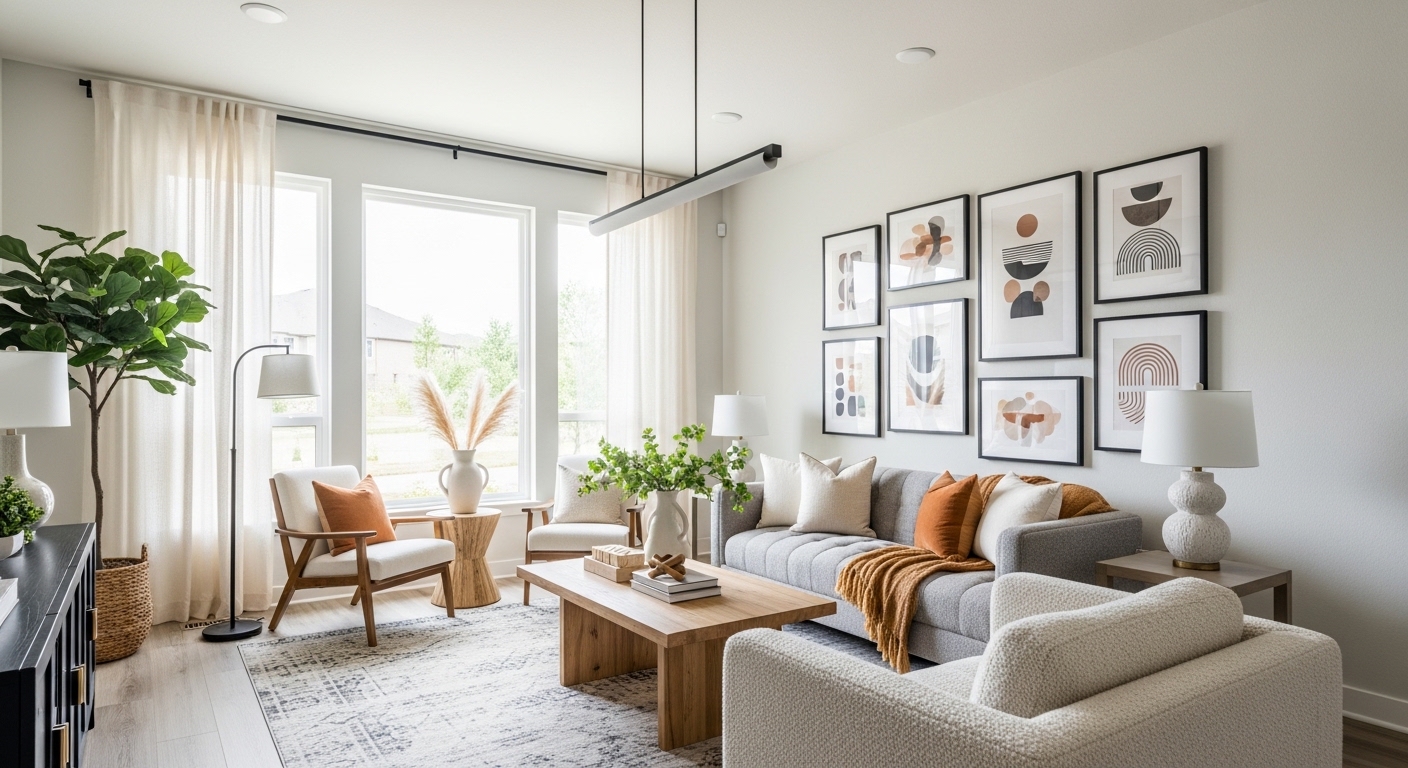
Living rooms are central to contemporary interior design trends. Modern living spaces emphasize comfort, flexibility, and aesthetic appeal. Open layouts, multifunctional furniture, and accent walls are common features. Incorporating art, plants, and technology enhances the room’s functionality and visual impact.
Kitchens
Kitchens are evolving into social hubs and functional masterpieces. Minimalist cabinetry, smart appliances, and eco-friendly materials are trending. Kitchens now combine efficiency with design, blending seamless storage solutions with aesthetic appeal.
Bedrooms
Bedrooms focus on relaxation and personal expression. Soft textures, calming colors, and strategic lighting are key interior design trends. Functional furniture like storage beds and modular units optimize space while maintaining a serene atmosphere.
Bathrooms
Modern bathrooms are luxurious and spa-like. Natural materials, statement tiles, smart fixtures, and integrated lighting define current interior design trends. Attention to detail, such as towel warmers and rainfall showers, elevates comfort and style.
Future Predictions in Interior Design
The future of Interior Design Trends points toward increased sustainability, technological integration, and personalized experiences. AI-assisted design, 3D-printed furniture, and adaptable interiors will become commonplace. Eco-consciousness, wellness-driven spaces, and a seamless blend of digital and physical elements will define next-generation homes. Designers will continue to innovate while balancing aesthetics, functionality, and environmental responsibility.
Conclusion
Interior design trends are constantly evolving, reflecting cultural shifts, technological advancements, and lifestyle needs. Modern trends emphasize minimalism, sustainability, bold aesthetics, smart integration, and personalized expression. By staying informed about Interior Design Trends, homeowners and designers can create spaces that are functional, visually appealing, and aligned with contemporary sensibilities. The combination of innovation, tradition, and personal touch ensures interiors remain both timeless and relevant.
FAQs
Q1: What are the key interior design trends in 2026? A1: Key trends include sustainable design, bold colors, smart home integration, multifunctional spaces, and biophilic design.
Q2: How can I incorporate eco-friendly elements into my home? A2: Use sustainable materials, energy-efficient lighting, recycled furniture, and low-VOC paints to align with eco-friendly trends.
Q3: What role does lighting play in interior design trends? A3: Lighting serves as both a functional and aesthetic element, creating ambiance, highlighting features, and enhancing the overall design.
Q4: Are retro and vintage styles popular in modern interiors? A4: Yes, retro revival is trending, blending nostalgic elements with contemporary design for unique, eclectic spaces.
Q5: How do I personalize my home according to current trends? A5: Incorporate custom furniture, bespoke art, meaningful decor, and culturally inspired elements to reflect personal style while staying on trend.