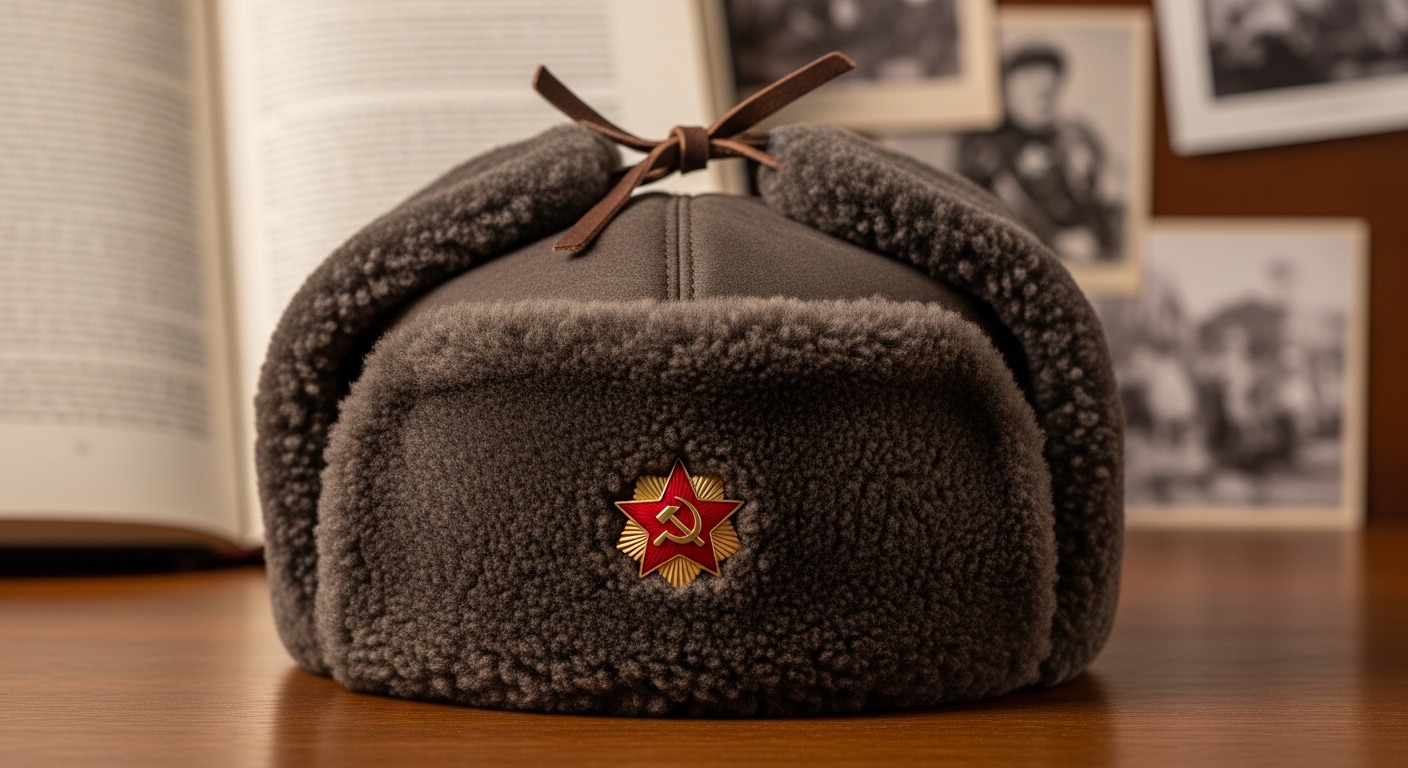
Few items of winter clothing carry the same sense of identity, endurance, and cultural memory as the ushanka. Instantly recognizable by its ear flaps and sturdy silhouette, this iconic hat represents far more than protection from cold weather. It embodies survival in extreme climates, reflects shifting political landscapes, and bridges traditional craftsmanship with modern style. Over centuries, it has evolved from a practical necessity into a global symbol, admired, adapted, and reinterpreted across cultures.
This article explores the story of this remarkable headwear in depth, examining its roots, cultural meaning, materials, and lasting influence. Rather than focusing on instructions or processes, the discussion unfolds through historical narrative, cultural analysis, and contextual exploration to provide a complete understanding of its enduring relevance.
Origins and Early History
The earliest forms of cold-weather headwear resembling the ushanka can be traced back to regions where winters were long, harsh, and unforgiving. In Northern Eurasia, communities developed clothing that prioritized warmth and durability, using animal skins and fur to protect against subzero temperatures. These early designs were not fashion statements but essential tools for survival.
As trade routes expanded and cultures interacted, these fur-lined hats gradually adopted more defined shapes and styles. By the medieval period, headwear with ear coverings had become common among hunters, travelers, and rural populations across Siberia and neighboring regions. The combination of practicality and adaptability allowed this design to endure even as societies modernized.
Geographic and Climatic Influence
Climate has always played a decisive role in shaping clothing traditions. In vast territories characterized by icy winds and prolonged winters, head protection was not optional. The hat that would later become the ushanka was shaped by the need to conserve body heat while remaining functional during work, travel, and combat.
Snow-covered landscapes and open plains demanded garments that could withstand moisture, frost, and wind. Thick fur linings and insulated exteriors addressed these challenges effectively. Over time, regional variations emerged, reflecting differences in available materials and local customs, but the core design remained closely tied to environmental necessity.
Evolution Through Empires and Eras
As empires rose and fell across Eastern Europe and Northern Asia, clothing often reflected political and social change. The ushanka gradually transitioned from rural attire to a standardized piece of apparel associated with authority and order. During periods of imperial expansion, uniforms incorporated practical winter gear, and this distinctive hat became increasingly visible.
In the twentieth century, it gained prominence through military use, becoming strongly associated with soldiers stationed in cold regions. Its presence in historical photographs and state imagery reinforced its symbolic value. The hat thus evolved beyond personal utility, becoming a recognizable emblem tied to national identity and historical memory.
Materials and Craftsmanship
Traditional production relied heavily on natural materials, particularly fur from animals adapted to cold climates. Fox, rabbit, sheep, and mink were commonly used, selected for their insulating properties and durability. The craftsmanship involved careful preparation of hides, precise cutting, and meticulous stitching to ensure comfort and longevity.
Modern variations of the ushanka reflect changes in technology and ethical awareness. While natural fur remains valued for its authenticity, synthetic alternatives have become widespread. These materials aim to replicate warmth and texture while addressing concerns related to sustainability and animal welfare. Regardless of material, craftsmanship continues to play a central role in defining quality.
Design Structure and Functional Identity
The defining feature of the ushanka lies in its ear flaps, which can be tied up or worn down depending on conditions. This adaptable structure allows wearers to respond quickly to changing weather, offering protection for the ears, neck, and sometimes the chin.
The crown is typically rounded and insulated, ensuring heat retention at the top of the head. Some designs include decorative elements, badges, or insignia, reflecting institutional or personal affiliations. Despite stylistic variations, the fundamental structure remains rooted in function, demonstrating how thoughtful design can achieve both practicality and visual distinction.
Cultural Symbolism and Global Perception
Over time, the ushanka has come to symbolize resilience and endurance. In popular imagination, it is often associated with stoicism in the face of adversity and the ability to thrive in extreme environments. This symbolism has transcended its original geographic boundaries, making the hat instantly recognizable worldwide.
In some contexts, it evokes nostalgia and tradition, while in others it represents strength and authority. Its portrayal in media has contributed to both admiration and caricature, illustrating how cultural symbols can take on layered meanings as they circulate globally.
Representation in Literature, Film, and Art
Artistic representations have played a significant role in shaping perceptions of the ushanka. In literature, it often appears as a detail that conveys setting, character, or mood, particularly in stories set in cold climates. Film and television have further amplified its image, using it to signal cultural identity or historical period.
Visual art, including posters and photography, has captured the hat as both an everyday object and a symbol. These representations contribute to its mythos, reinforcing associations with winter landscapes, endurance, and tradition.
Military Associations and National Identity
Few garments are as closely tied to military history as the ushanka. Its adoption by armed forces solidified its reputation as reliable and authoritative. In military contexts, it represented preparedness and adaptation to harsh conditions, qualities highly valued in challenging environments.
This association extended beyond practicality, influencing how civilians perceived the hat. It became linked with discipline, service, and national pride. Even after its use declined in some official capacities, the imagery remained powerful, embedded in collective memory.
Transition Into Modern Fashion
As global fashion began to draw inspiration from traditional and utilitarian garments, the ushanka found a new audience. Designers reimagined its form, experimenting with colors, textures, and materials to suit contemporary tastes. What was once purely functional entered the realm of style and self-expression.
Fashion runways and streetwear culture embraced the hat’s bold silhouette. Its distinctive shape offered a striking contrast to minimalist trends, allowing wearers to make a statement while staying warm. This transition illustrates how heritage items can be recontextualized without losing their essence.
Influence on Contemporary Winter Wear
The influence of the ushanka extends beyond its own form. Elements of its design, such as ear coverage and insulated linings, have inspired a wide range of winter accessories. Modern hats, hoods, and outerwear often incorporate similar features, reflecting the enduring value of its original concept.
This influence highlights the cyclical nature of fashion, where practical solutions from the past inform present innovation. By blending tradition with modern materials and aesthetics, designers continue to draw from this iconic source.
Sustainability and Ethical Perspectives
In recent years, discussions around sustainability have reshaped how consumers view winter clothing. The ushanka, with its history of natural materials, sits at the intersection of tradition and ethical consideration. While some value authenticity and heritage, others prioritize cruelty-free and environmentally friendly alternatives.
Manufacturers have responded by offering diverse options, allowing individuals to align their choices with personal values. This evolution reflects broader shifts in the fashion industry, where responsibility and transparency are increasingly important.
Collectability and Heritage Value
Vintage examples of the ushanka are sought after by collectors and historians alike. These pieces offer insight into craftsmanship, material use, and cultural context from specific periods. Collectability is often tied to provenance, condition, and historical significance.
Museums and private collections preserve these hats as artifacts, recognizing their role in social and cultural history. Their preservation ensures that future generations can appreciate both their functional design and symbolic meaning.
Conclusion
The enduring legacy of the ushanka lies in its ability to adapt while retaining its core identity. From survival tool to cultural symbol, from military gear to fashion statement, it has navigated centuries of change without losing relevance. Its story reflects the broader human experience of responding creatively to environment, necessity, and expression.
By understanding its history, design, and symbolism, we gain insight into how everyday objects can carry profound meaning. The hat stands as a reminder that practicality and culture are often deeply intertwined, shaping items that endure far beyond their original purpose.
Frequently Asked Questions (FAQs)
What makes this type of hat unique compared to other winter headwear?
Its distinctive ear flaps and insulated structure provide comprehensive protection, combining functionality with a recognizable silhouette.
Is it still worn today outside of traditional contexts?
Yes, it appears in modern fashion, streetwear, and cold-weather gear, adapted to contemporary styles and materials.
Are modern versions different from historical ones?
Modern interpretations often use synthetic materials and updated designs, while traditional versions emphasize natural fur and classic construction.
Why is it considered a cultural symbol?
Its long association with specific regions, climates, and historical moments has given it symbolic significance beyond its practical use.
Can it be considered sustainable?
Sustainability depends on material choices and production practices, with options available to suit different ethical perspectives.